Business Automation in Totnes, Devon
Automation is not just for corporates — a Totnes business of five people loses more hours to re-typing, chasing and copying between systems than most owners ever total up. ZeroPixel builds automation for businesses in Totnes and across Devon: workflows, integrations and document processing, all on the systems you already run.
Totnes has one of the highest concentrations of independent shops in the country, on a steep high street above the Dart. For a market town the pattern is familiar: decent tools that do not talk to each other, and a team that has quietly become the courier between them.
We work with Totnes businesses in independent retail, food and drink and creative industries and beyond. Every automation is connected to your live systems, logs what it does, and is measured in hours returned per week — because automation nobody can measure is just software.
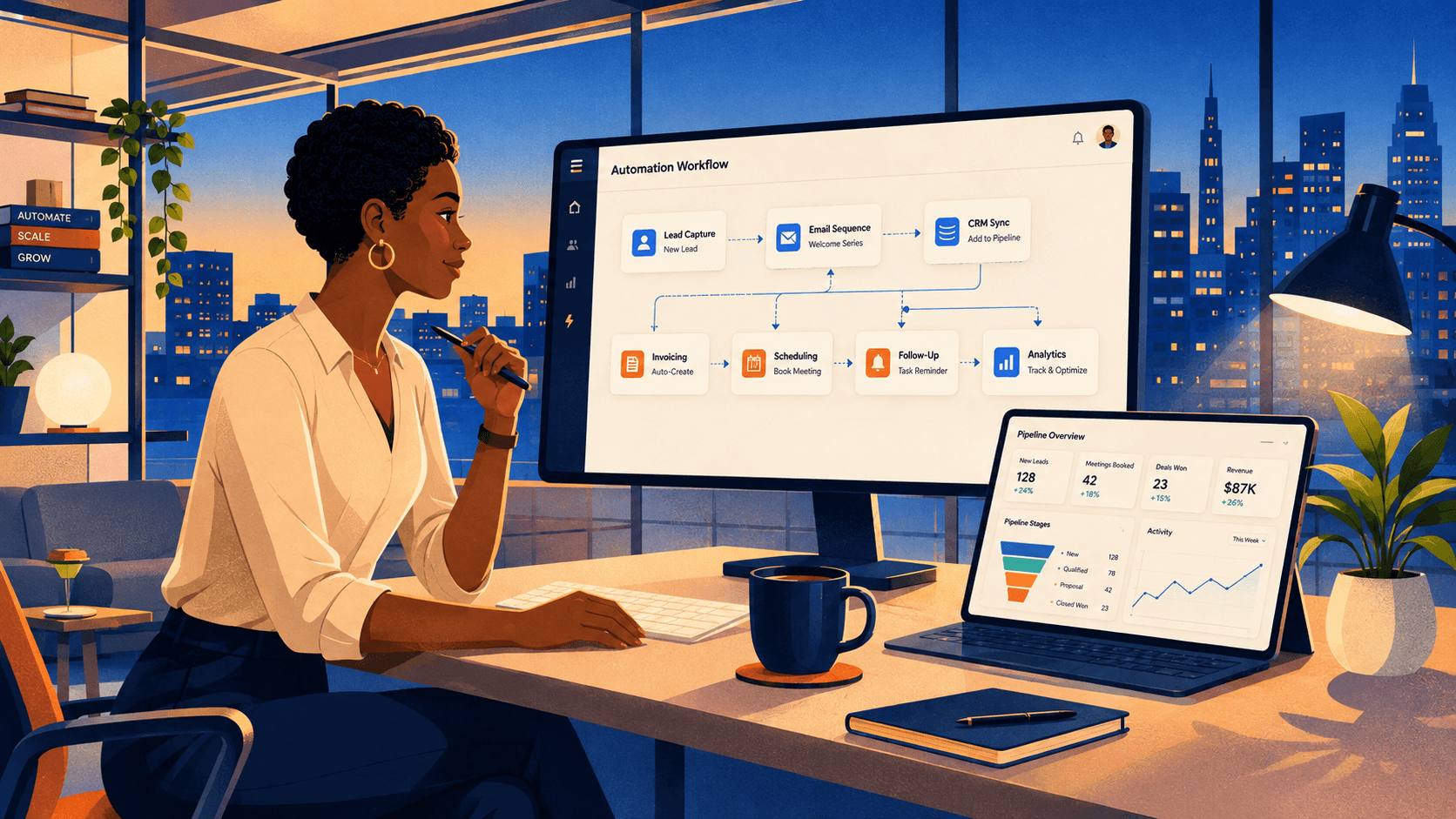
What we build for Totnes businesses
These are the three kinds of automation that fit a market town best — all built on the systems you already run, all owned by you.
Workflow automation
Processes that run themselves: enquiries routed, approvals chased, records updated and confirmations sent — with no one copying and pasting in between.
Document processing
Invoices, orders, applications and forms read automatically — the data extracted, checked and filed into your systems while the paperwork is still arriving.
System integrations
Your CRM, accounts package, inbox and job system finally talking to each other — data entered once and correct everywhere, instead of re-keyed three times.
Lean teams, manual everything
In most market town businesses the systems grew one at a time — an accounts package here, a diary there, a spreadsheet quietly holding it all together. Nobody chose that setup; it accumulated. Automation is how it stops costing you: the re-typing and cross-checking between those systems is exactly the work software should be doing, and in a lean team the recovered hours land where they are felt most.
In practice the Totnes businesses with the most to gain are in independent retail, food and drink and creative industries — sectors that run on quotes, bookings, invoices and compliance paperwork. Each of those is information moving between systems, and every manual hop in that journey is a candidate for automation you can measure in hours.
Fix the process before you automate it. Automating a workflow that is already confused just produces mistakes faster. Part of every project is mapping how the work genuinely flows — and it is common to find steps nobody needs, which get deleted rather than automated. Sometimes that alone recovers most of the hours.
Totnes — common questions
Is a Totnes business our size big enough to automate?
What would a first automation project look like here?
Do we need to change the software we already use?
Do you work with Totnes businesses remotely?
Isn't automation overkill for a market town business?
How long does an automation project take?
Near Totnes
We cover the whole of Devon. These are the neighbouring towns we work in most often — and the county page has the full picture.